
Mobile App Security: Best Practices for 2025
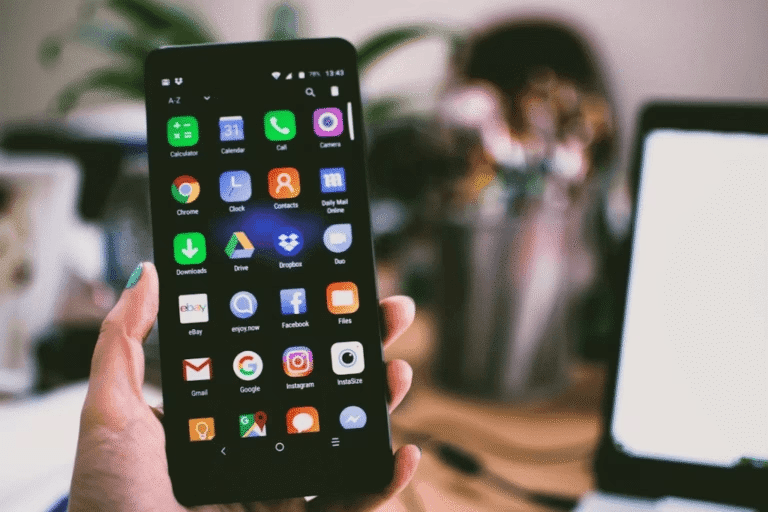
Mobile app security is more critical than ever as cyber threats evolve and data breaches become costlier. With billions of users relying on mobile apps for banking, healthcare, and personal communication, implementing robust security measures is essential for protecting user data and maintaining trust.
The Mobile Security Landscape
Mobile apps face unique security challenges: diverse devices, varying OS versions, insecure networks, and physical device access. Attackers exploit vulnerabilities through malware, man-in-the-middle attacks, and reverse engineering.

Why Security Matters
The average cost of a mobile app data breach is $4.45 million. Beyond financial impact, breaches damage reputation and user trust. Regulations like GDPR and CCPA impose strict requirements for data protection. Implementing security best practices from the start is far cheaper than dealing with breaches later. Users increasingly demand transparency about how apps protect their data.
Essential Security Practices
01
Secure Data Storage
Encrypt sensitive data at rest using platform-specific secure storage.
02
Network Security
Use HTTPS, certificate pinning, and VPNs for data transmission.
03
Authentication
Implement multi-factor authentication and biometric verification.
04
Code Obfuscation
Protect against reverse engineering and tampering.
05
Regular Updates
Patch vulnerabilities quickly and keep dependencies current.
User Trust
Strong security builds user confidence, leading to higher retention and positive reviews.
Regulatory Compliance
Meeting security standards ensures compliance with GDPR, HIPAA, and other regulations.
Reduced Risk
Proactive security measures prevent costly breaches and legal liabilities.
Competitive Advantage
Security-conscious users prefer apps with strong protection measures.
Frequently Asked Questions
What is the biggest mobile app security threat?
Insecure data storage is the most common vulnerability, followed by weak authentication, insecure communication, and code tampering. The OWASP Mobile Top 10 lists the most critical risks.
How can I secure data transmission in my app?
Always use HTTPS with TLS 1.2+, implement certificate pinning to prevent man-in-the-middle attacks, and avoid transmitting sensitive data over public Wi-Fi without additional encryption.
Should I store sensitive data on the device?
Minimize local storage of sensitive data. When necessary, use platform-specific secure storage (Keychain on iOS, Keystore on Android) with encryption. Never store passwords or tokens in plain text.
How often should I update my app for security?
Release security patches immediately when vulnerabilities are discovered. Perform security audits quarterly and update dependencies monthly to address known vulnerabilities.
What is code obfuscation and do I need it?
Code obfuscation makes your code harder to reverse engineer by renaming variables, removing debug info, and encrypting strings. It's essential for apps handling sensitive data or proprietary algorithms.
Our Insights
Explore our journey from startup to success and discover the insights behind our tech-powered triumphs.



Get in touch with us
Book a call or fill out the form below and we’ll get back to you once we’ve processed your request.

What happens next?
An expert contacts you after thoroughly reviewing your requirements.
If necessary, we provide you with a Non-Disclosure Agreement (NDA) and initiate the Discovery phase, ensuring maximum confidentiality and alignment on project objectives.
We provide a project proposal, including estimates, scope analysis, CVs, and more.


LET’s Build together
We specialize in transforming ideas into powerful solutions.
Need a tech partner for your next software project?